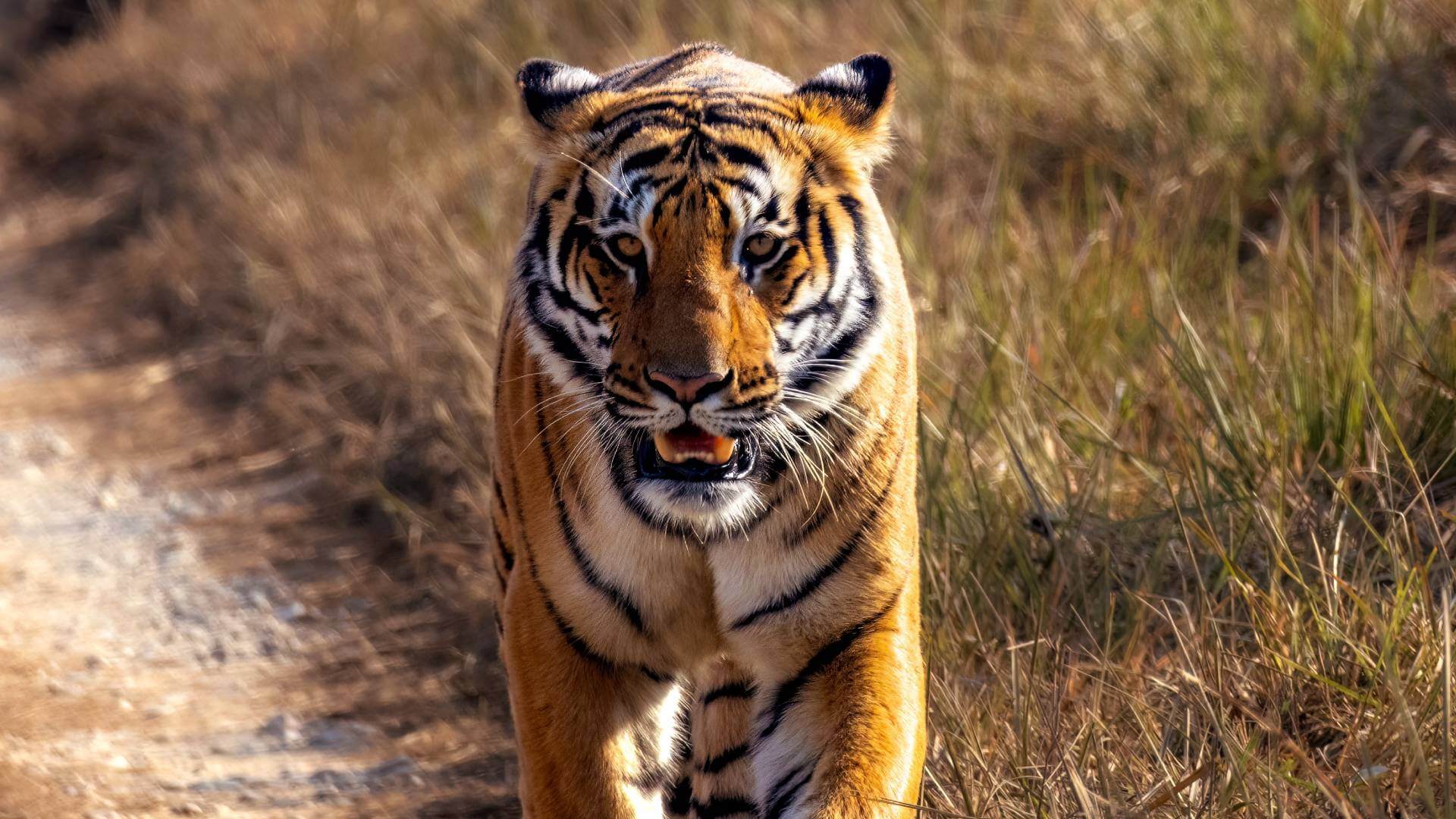
Jim Corbett National Park, one of India’s oldest and most famous wildlife sanctuaries, is home to a variety of species, but none more elusive and majestic than the Bengal Tiger. If you're planning a visit to Corbett, you're probably hoping for a thrilling tiger sighting during your safari. While tiger sightings are never guaranteed, there are several tips and strategies you can follow to maximize your chances of encountering these magnificent creatures. Here’s a comprehensive guide to tiger sighting tips that can help make your safari truly unforgettable.
1. Best Time for Tiger Sighting
For the best chances of spotting a tiger, it’s essential to visit Corbett during the right season. The most favorable months are typically from November to June, as these months offer dry weather and reduced foliage, making it easier to spot wildlife. Tigers are more active during the early morning and late evening hours, so it's advisable to schedule safaris early in the morning or late in the afternoon.
2. Choose the Right Safari Zone
Jim Corbett has several zones, each with its own characteristics and wildlife population. The most popular zones for tiger sightings are:
- Dhikala Zone: Known for its dense jungle and open grasslands, Dhikala is often regarded as the most promising zone for tiger sightings.
- Bijrani Zone: Another excellent zone for tiger sightings, Bijrani is rich in diverse flora and fauna.
- Jhirna Zone: A bit more remote but still offers great chances for tiger sightings.
Different zones offer different experiences, so make sure to plan your safari to the right zones based on your expectations and tiger sighting preferences.
3. Opt for a Jeep Safari
While Corbett also offers elephant safaris, a jeep safari is generally a more effective option for tiger sightings. A jeep can cover a larger area and navigate more easily through the park’s rough terrain. Additionally, jeeps are quieter and can offer you better visibility compared to larger safari vehicles.
4. Keep a Quiet Profile
Tigers are extremely sensitive to noise. The more quietly you travel through the jungle, the more likely you are to see a tiger. Avoid talking loudly, making sudden movements, or using your phone. Even the engine noise of your vehicle can disturb the animals. Your safari guide will instruct you on how to stay silent and maintain a calm atmosphere to increase your chances of a successful sighting.
5. Follow Your Guide’s Advice
Your guide is a wealth of information and has in-depth knowledge of the park and its wildlife. They know where tigers are more likely to be spotted and can guide you to the best locations. Always listen to your guide’s instructions, as they are your best chance at spotting tigers and other wildlife.
6. Be Patient
While it’s exciting to go on a safari, tiger sightings don’t always happen right away. Be patient, stay alert, and keep your eyes peeled. Sometimes, it can take several hours or even multiple safaris to get a glimpse of the elusive tiger. If you remain calm, you will have a more enjoyable and successful safari experience.
7. Respect Wildlife and Nature
Remember, tiger sightings are a privilege and not a guarantee. Respect the wildlife, maintain a safe distance, and avoid disturbing animals. The ultimate goal of your safari is to witness these magnificent creatures in their natural habitat, so it’s essential to be ethical and responsible during your visit.
Conclusion
Tiger sightings at Jim Corbett National Park are an unforgettable experience, and with the right approach, you can increase your chances of witnessing the Bengal Tiger in its natural habitat. Follow these tiger sighting tips, stay patient, and embrace the beauty of the park. Happy safari!