Planning a jungle safari at Jim Corbett National Park? One of the most important factors to consider when planning your visit is the best time for a jungle safari. The park, known for its rich biodiversity and diverse terrain, offers a unique experience throughout the year. However, certain seasons and timings are more favorable for an unforgettable safari experience. Here's our expert guide on the best time to visit Jim Corbett for a jungle safari.
1. Ideal Seasons for Safari
The best time to visit Jim Corbett National Park largely depends on the season. The park experiences four main seasons: summer, monsoon, and winter. Each season has its own advantages and challenges when it comes to safari experiences:
Winter (November to February)
Winter is one of the best times to visit Jim Corbett. With temperatures ranging between 5°C and 25°C, the cool weather makes it comfortable for both visitors and wildlife. During this period, the park’s vegetation is sparse, increasing the chances of wildlife sightings, including tigers. The misty mornings and clear skies offer perfect opportunities for photography.
Summer (March to June)
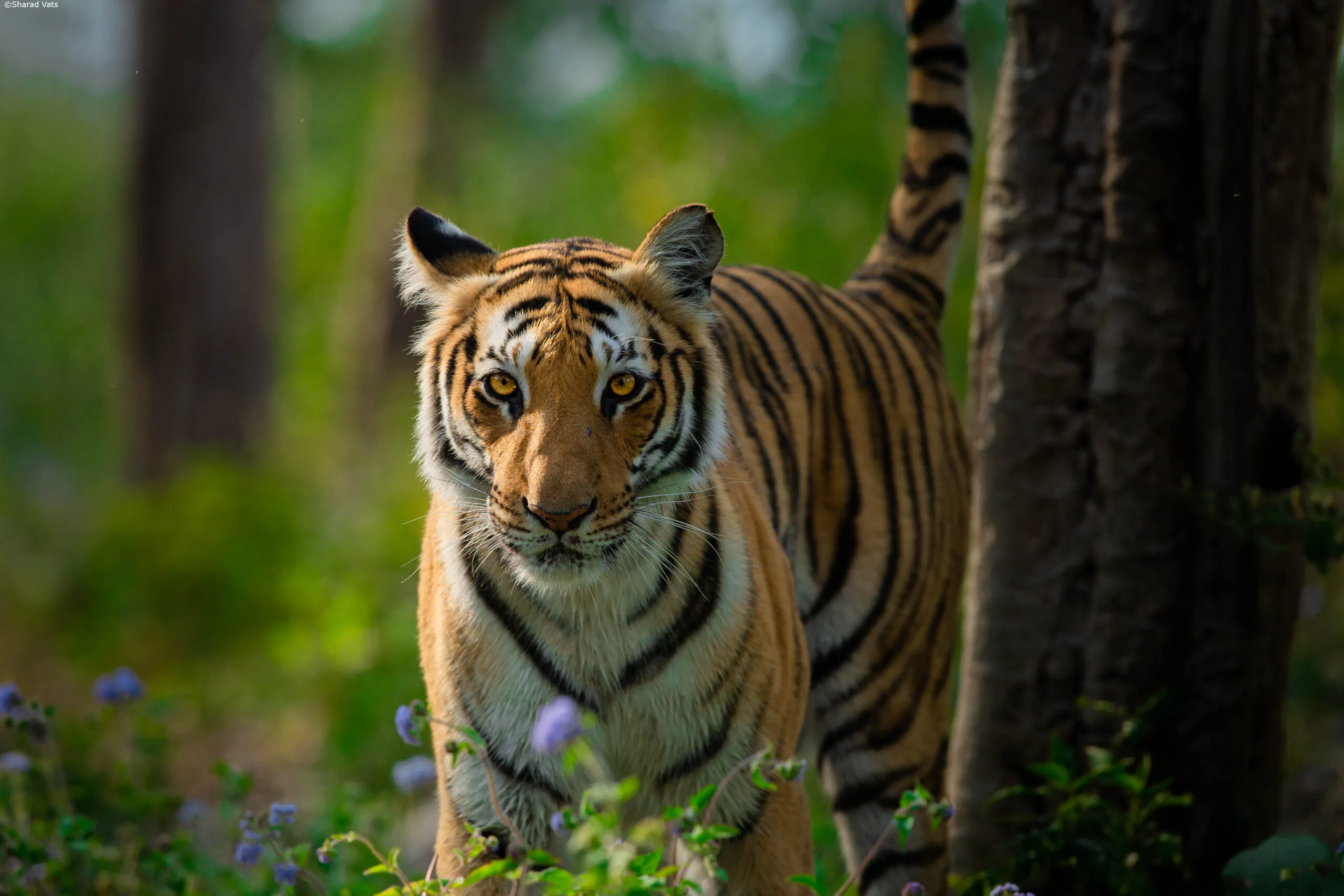
Summer is another excellent time for safaris, especially for wildlife enthusiasts. With temperatures soaring to 40°C, animals tend to gather around waterholes, increasing the chances of spotting them. Tigers, in particular, are often seen in the early mornings or late afternoons, as they come out to drink water. However, visitors must be prepared for the heat and stay hydrated.
2. Monsoon (July to September)
While the monsoon season brings lush greenery and a refreshing atmosphere, it is not ideal for safaris. The park is closed during the monsoon due to the risk of flooding and the heavy rains that make the trails slippery. However, if you're looking for a quieter experience and are a fan of lush landscapes, visiting the park just after the monsoon can be a great option.
3. The Best Safari Timings
The timing of your safari also plays a crucial role in enhancing your chances of spotting wildlife. The best times for a jungle safari are:
- Early Morning Safari: From 6:00 AM to 9:00 AM. The early morning safari offers a cooler environment for both wildlife and visitors. It’s the best time to spot animals as they are more active during the early hours.
- Late Afternoon Safari: From 3:00 PM to 6:00 PM. During the late afternoon safari, animals are more likely to venture out to water sources, making it easier to spot them. The golden hour light also makes it perfect for photography.
4. Factors to Consider for the Best Safari Experience
While the right time and season are essential, there are other factors that can impact your safari experience. These include:
- Safari Zone: The park has several safari zones, and each zone has different characteristics. The Dhikala Zone, Bijrani Zone, and Jhirna Zone are known for excellent wildlife sightings.
- Weather: Pay attention to the weather forecast. While the park is accessible year-round, extreme weather conditions (heavy rain or intense heat) can affect visibility and the comfort of your safari experience.
- Safari Vehicle: Choose between a jeep or a canter safari depending on your preference for privacy, comfort, and group size. Jeep safaris are more personal, while canter safaris allow you to explore with more people.
5. Planning Your Safari
To make the most of your jungle safari, it's important to plan ahead. Book your safari permits well in advance, especially during the peak seasons (winter and summer). You can choose from different safari packages depending on your budget and preferences.
Conclusion
Whether you’re visiting Jim Corbett National Park during the pleasant winter or the warmer summer months, each season offers a different safari experience. The key to having a memorable jungle safari is choosing the right time based on your interests, staying patient, and respecting the wildlife. Follow these tips to plan your perfect safari adventure and witness the incredible wildlife of Corbett!